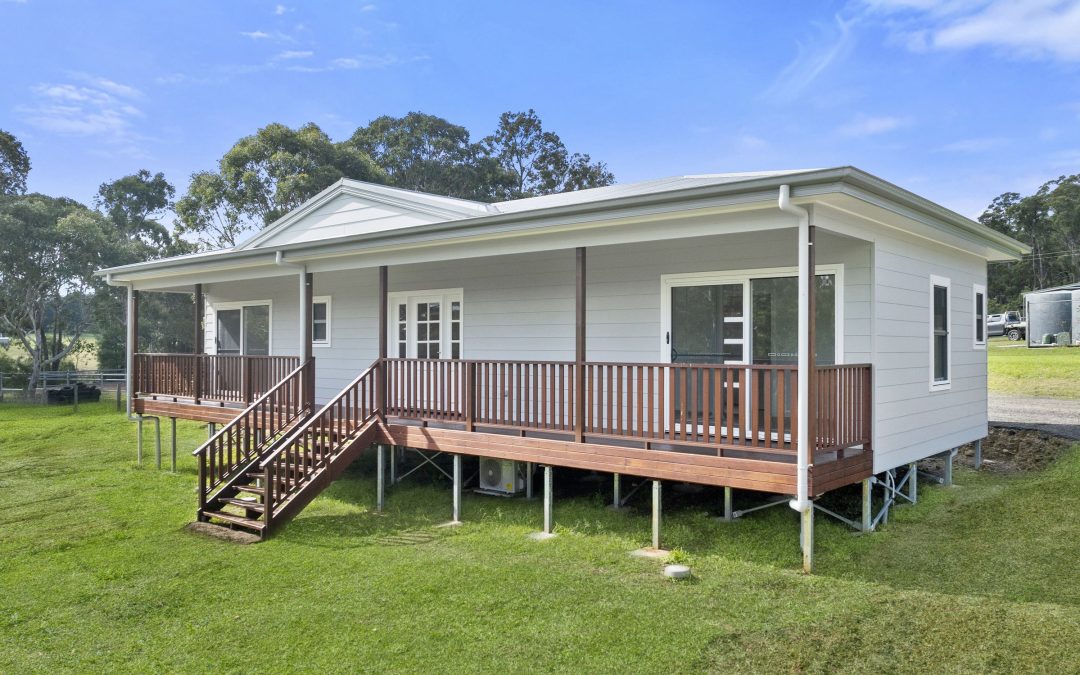
In NSW, most granny flats are capped at 60m² under Complying Development, but this project in Quorrobolong proves there are ways to go bigger—if your land and zoning allow it. For Sally and Ben, that meant working with Aplus to create an 83.8m² standalone home for Sally’s parents, Barbara and John, right on their own rural property.
It’s a perfect example of how thoughtful planning, flexible design and smart navigation of the DA process can create real housing solutions for families—especially in regions like the Hunter Valley.
The Design: Spacious, Self-Contained and Custom
Approved via Development Application with Cessnock City Council, this custom design includes:
Two generous bedrooms with carpet and dual roller blinds
Ensuite and main bathroom, both upgraded with wall-hung vanities, vessel basin mixers, sleek shaving cabinets and Axon feature wall cladding
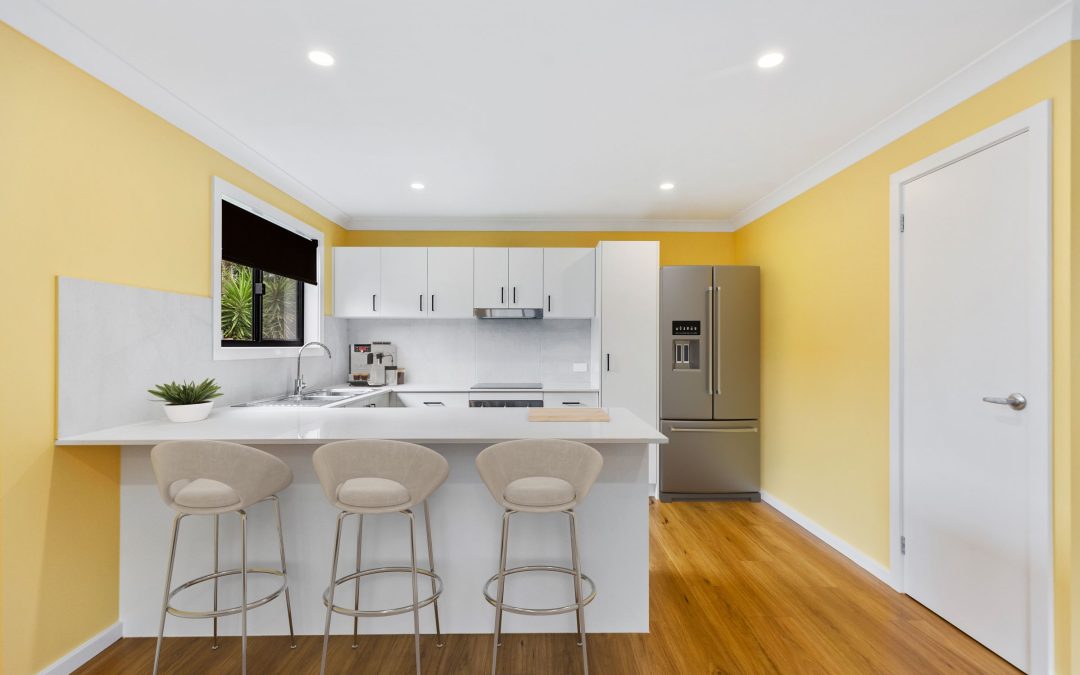
Open-plan living and kitchen area, with plenty of natural light
A well-appointed kitchen with gas cooktop, dishwasher, microwave provision with drawer, Polytec “Whitewood” overhead cupboards, and Evostone benchtops in “Typhoon”
A striking feature entrance door with sidelights and merbau timber porch
It’s a comfortable, high-quality home—designed to feel more like a rural cottage than a typical granny flat.
Built on Bearers and Joists to Meet Flood Zone Requirements
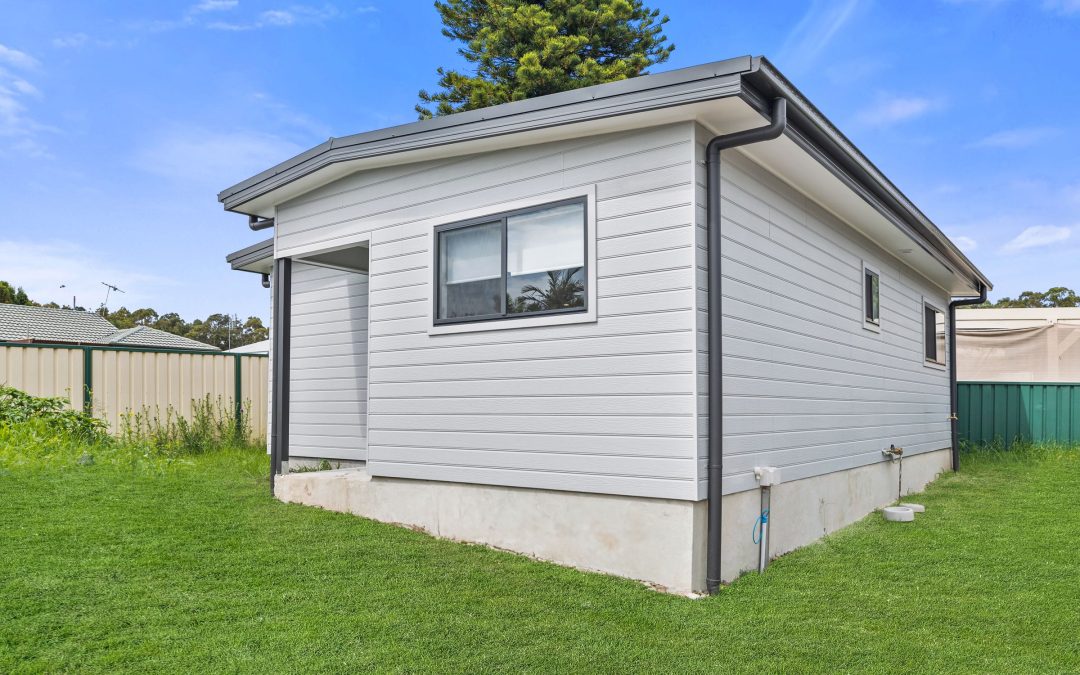
The site falls within a flood zone, so the build was constructed on bearers and joists—lifting the home to meet elevation and subfloor ventilation requirements. This solution, along with a steel frame and truss system, ensures durability, compliance and long-term performance.
Bushfire Protection: Compliant with BAL 29
Located in a bushfire-prone area, the dwelling was designed to comply with BAL 29, which required:
Aluminium flyscreens and metal ember guards
5mm glazing to windows and 6mm to sliding doors
10,000L water tank with a firefighting outlet
James Hardie Plank cladding and fire-rated roofing materials
Metal external pipes and fittings, sealed LED lighting and appropriate setbacks
These features aren’t just about compliance—they offer real peace of mind for the residents.
Energy Efficient and Comfortable Year-Round
As part of the BASIX commitments, the home includes:
Zoned air conditioning (5kW in the living area and separate system in the bedrooms)
Electric heat pump hot water system
Double glazed aluminium windows
R2.5 wall insulation and R3.0 ceiling insulation
Low-flow tapware, sealed LED lighting and a laundry connected to mains and tank water
Qurrobolong Granny Flat Project Gallery
Why Quorrobolong Is Ideal for a Granny Flat
Set among the rolling hills of the Hunter Valley, Quorrobolong offers large rural lots with ample space for dual occupancy. The area falls within the Cessnock LGA, where zoning and lot sizes can often support secondary dwellings larger than 60m²—provided you go through the DA process.
It’s a great option for families who want to live together while maintaining independence, or who want to prepare for future flexibility.
Cessnock is a large town in the Lower Hunter Region, NSW. It is located 2 hours from Sydney, 45 minutes from Newcastle and just 15 minutes from wine country. This makes it an ideal position for the addition of a granny flat for either an investment opportunity or just creating more room for family members seeking the country lifestyle without being too far from the city.
A Great Outcome for Multi-Generational Living
This project allowed Sally and Ben to bring their family together under one roofline—without sacrificing privacy, space or comfort. From planning and council approvals to construction and handover, the Aplus team ensured everything ran smoothly, even with the additional complexities of flood and bushfire requirements.
Want to Build a Granny Flat That’s Bigger Than the Standard?
Whether you’re housing family or investing in rental income, Aplus can help you explore your options—especially if you have rural or large-lot land across NSW or the ACT.
Book a free site inspection today to find out what’s possible on your block.
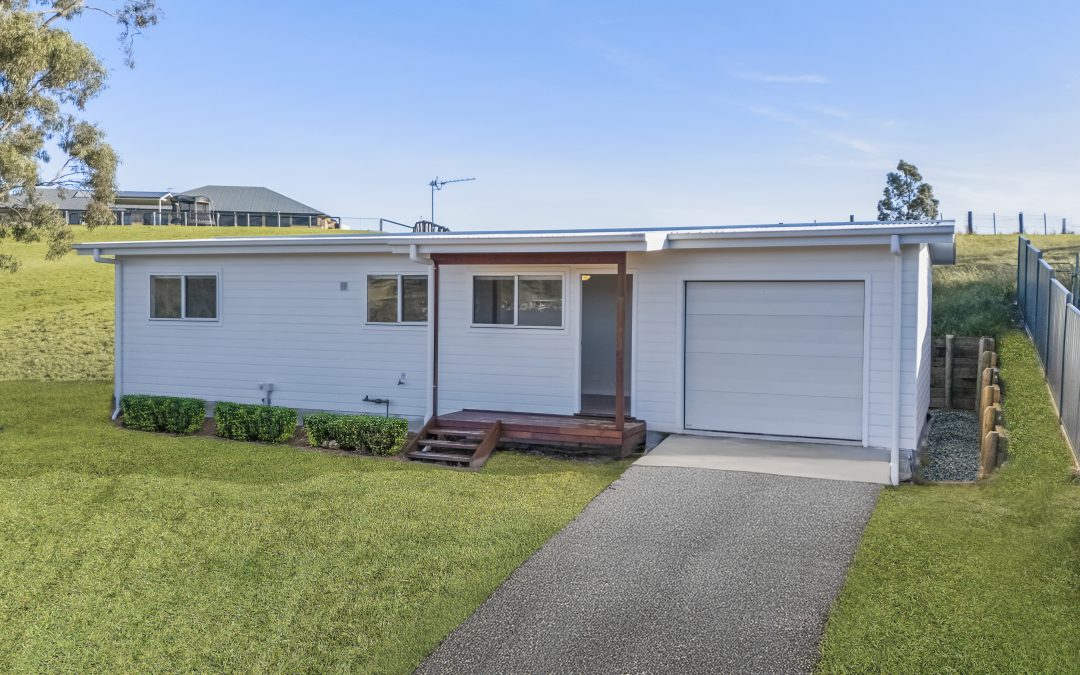
When our Client approached Aplus, he had a clear vision: a full-sized granny flat that looked and felt like a real home—with its own garage. The starting point was The Trinity, a popular 3-bedroom design from Aplus’s collection, but a few key tweaks were made to bring it all together.
Now complete in Muswellbrook, this project shows how clients can achieve both comfort and practicality—while staying cost-conscious.
The Design: The Trinity – Modified
The Trinity is one of Aplus’s most spacious layouts, offering three bedrooms, open-plan living, and a full kitchen and bathroom. For Silva’s home, the design was modified to include a garage, a feature not often seen in standard granny flats.
To make it work:
The front door was relocated to the opposite side of the living area
This allowed space to attach a single garage with a panel lift door
Entry is still welcoming, with a Merbau timber deck and stairs at the porch
Despite the addition, Silva stuck to Aplus’s standard inclusions, avoiding unnecessary extras to keep the build efficient and on budget.
Garages and carports can be added to almost any Aplus granny flat—just ask for it to be costed at the design stage.
SOG Construction and Smart Planning
The home was built on a slab-on-ground (SOG) with a drop edge beam, perfectly suited to the site’s fall and soil profile. A timber frame and truss system keeps the construction lightweight and adaptable.
Construction began on 6 December 2024 and reached Practical Completion by 6 June 2025. That’s a 22-week build period, including delays for the Christmas break and extensions of time (EOTs)—well within expectations for a 3-bedroom dwelling with a garage.
Plumbing Performance Solution: A Custom Approach
As part of the planning process, Aplus coordinated a plumbing performance solution to meet local site and drainage conditions. This was developed by engineering consultants to comply with Muswellbrook Council requirements and the National Construction Code, ensuring water runoff and subsurface drainage were properly managed for a long-term, low-maintenance outcome.
From grading the ground away from the footings to sleeving pipes under the slab and using clay backfill to reduce moisture ingress, every detail was covered by the engineering team before construction began.
BAL 12.5 Bushfire Compliance
The property is located in a BAL 12.5 bushfire zone, meaning the build required:
Compliant glazing to windows and doors
Sealed ember-proof construction methods
Fire-rated materials and finishes
These measures were implemented seamlessly without compromising on design or budget.
Client Review: Thoughtful, Cost-Effective Service
Here’s what Silva had to say in his 5-star Google review:
“Aplus Granny Flat had designed a beautiful granny flat at my property in Muswellbrook. Special thanks goes to Aplus Granny Flats sales manager Mick Springs for his exceptional and outstanding customer service, going above and beyond to help the client out and for his smart thinking on how to get the most cost effective solution for the clients. I would also like to thank Crystal, Dario and rest of the team for their support in building this beautiful Granny Flat.”
Silva’s review speaks volumes about the team’s approach. Whether it’s finding practical solutions, meeting bushfire requirements, or adapting designs to suit the land, Aplus focuses on cost-effective outcomes that don’t cut corners.
Granny Flat with Garage Project Gallery
Thinking About a Granny Flat with a Garage?
If you want to build a granny flat with a garage or carport, Aplus can help you modify an existing plan—just like we did for The Trinity.
We handle the entire process, from CDC or DA submission through to final handover, and we’re known for working closely with clients to help them build smarter, not just bigger.
Book a free site inspection today to find out what’s possible on your block—anywhere in NSW or the ACT. We can help you build a granny flat with garage access, storage space, or room for hobbies—whatever suits your needs.
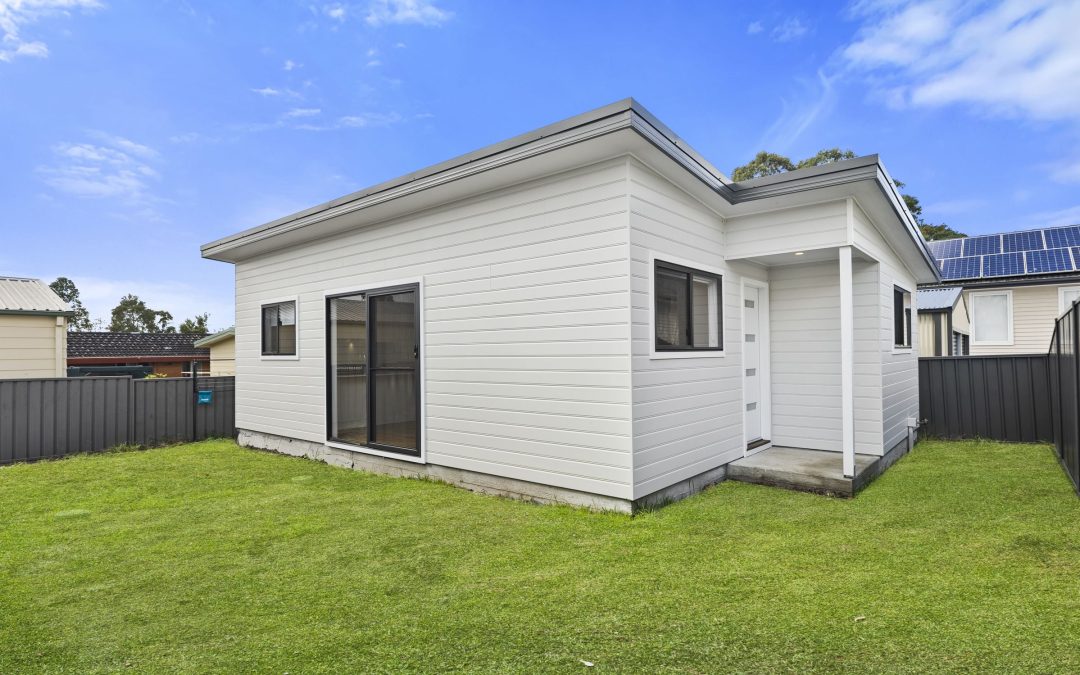
In high-demand rental areas like Shortland, adding a secondary dwelling to your property isn’t just practical—it’s profitable. This recently completed two-bedroom granny flat was built for investment purposes and now generates an estimated $27,000 in annual rental income, based on a current median rent of $525 per week (source: domain.com.au, June 2025).
The Design: The Dock – Modified for Market Appeal
The base design is The Dock, one of Aplus’s most popular two-bedroom granny flat layouts. It’s efficient, attractive, and versatile—perfect for rental use. For this project, a few key upgrades were made to enhance appeal and functionality:
Raked ceiling with square-set cornice to the living, kitchen and dining areas
Island bench in place of the standard L-shaped kitchen for improved flow
Sliding door off the dining area, adding natural light and outdoor connection
Niche to shower, dishwasher provision, and an upgraded toilet
Attached configuration to suit block layout and maximise yard space
The rest of the finishes were kept to Aplus’s standard inclusions—ensuring the project stayed on budget while still delivering a high-quality, low-maintenance home.
Built Fast Under CDC with Steel Frame Construction
Approved via Complying Development Certificate (CDC), this project moved quickly through approvals and construction. The build commenced on 22 January 2025 and reached Practical Completion by 17 April 2025—just 12 weeks on-site.
The structure was built on a slab-on-ground (SOG) using a steel frame and truss system, making it ideal for long-term durability and investor peace of mind.
Compliant with BAL 12.5 Bushfire Regulations
The dwelling meets BAL 12.5 requirements with features that include:
Fire-resistant entry door
Aluminium flyscreens
Eave vents for ember protection
These additions provide protection for tenants and ensure long-term compliance in bushfire-prone regions.
Rental Returns: $525 Per Week in Passive Income
With Newcastle’s ongoing rental demand and land values rising, granny flats like this are a smart move for owners looking to boost yield.
In Shortland, two-bedroom homes are currently leasing for a median of $525 per week, equating to an estimated $27,300 per year in rental income.
That kind of return makes building a granny flat a compelling strategy for:
Generating passive income
Increasing the value of your property
Leveraging underutilised land
Future-proofing your investment
Minimal Extras, Strong ROI
By sticking to standard inclusions where possible, and choosing value-focused upgrades, this investor was able to build an attractive rental property without overspending. It’s a strong example of how Aplus helps clients build for return—not just resale.
Granny Flat Investment Newcastle Project Gallery
Want to Add $27K a Year to Your Investment Property?
A two-bedroom granny flat can generate serious rental income in the right area—and Aplus can help you get there. From concept and approval to construction and handover, we handle the details so you can focus on the return.
Book a free site inspection today to find out what’s possible on your block—anywhere in NSW or the ACT. Find out what’s possible on your block. We build investment-ready granny flats across NSW and the ACT.
Yes, you can have both a studio and a granny flat on the same property, provided they are separate structures and comply with local zoning regulations. Essentially, a property can include a primary dwelling (main house), a secondary dwelling (granny flat), and a non-habitable or ancillary structure (studio). However, there are specific rules that must be followed to ensure compliance with local planning laws.
Key Differences: Granny Flat vs. Studio
Understanding the distinction between a granny flat and a studio is essential for determining what is permitted on your property:
Granny Flat (Secondary Dwelling): A granny flat is legally classified as a secondary dwelling. It is designed for full-time habitation and typically includes living space, a bedroom, a kitchen, and a bathroom.
Studio (Ancillary Structure): A studio is usually considered an ancillary or non-habitable structure, meaning it is intended for activities like hobbies, art, music, or a home office. A studio may lack full kitchen or bathroom facilities and is not designed for permanent residence.
Zoning and Regulations in NSW
Before planning a studio and granny flat on the same property, it’s crucial to check local council regulations. Some important considerations include:
Size Restrictions: Granny flats in NSW are generally limited to 60 square metres in size under Complying Development regulations. Studios or ancillary structures may also be subject to size limits, depending on council rules.
Approval Requirements: A granny flat can usually be built under a Complying Development Certificate (CDC) if it meets planning guidelines. A separate studio structure may require a Development Application (DA), depending on its size and intended use.
Land Zoning: Ensure that your property is in a zone that permits secondary dwellings and ancillary structures. Some councils impose restrictions on the number of detached structures allowed per lot.
Placement and Design Considerations
Separate Structures: The granny flat and the studio should be distinct buildings and not attached to the main house.
Usage Limitations: A studio cannot legally function as a secondary dwelling if it does not meet habitable building standards (e.g., a bathroom and kitchen facilities).
Privacy & Access: Consider access pathways and privacy between the structures to create a functional and comfortable layout.
Having both a granny flat and a studio on the same property can be a great way to maximise space and functionality. Whether you need additional living space for family or a dedicated work area, ensuring compliance with NSW zoning laws and council requirements will help you avoid any legal issues. Always check with your local council or a qualified builder before proceeding with construction.
Built in 2025 for Jess, this two-bedroom granny flat showcases how a standard design can be personalised to feel like a true home. Based on The Dock Plus layout and approved via CDC, this project in NSW proves that practicality and personality can go hand-in-hand.
The Design: The Dock Plus (Modified)
The Dock Plus offers a generous open-plan living, kitchen and dining layout—ideal for daily life or welcoming guests. Jess opted for a modified version of the design, incorporating:
Two bedrooms with built-in wardrobes
A shared bathroom with a separate laundry
An island bench in the kitchen for extra prep space and casual meals
A 3.5kW air conditioner for year-round comfort
Jess also upgraded the kitchen with black cabinetry handles and added a dishwasher, reflecting her focus on both form and function.
Steel Frame Construction and BAL 12.5 Adaptations
Built on bearers and joists with a steel frame and truss system, this home also met BAL 12.5 bushfire requirements—featuring aluminium flyscreens, eave vents, and a hardwood merbau porch and stairs. These additions not only offer peace of mind but contribute to a durable, long-lasting build.
Colour Choices That Make It Her Own Home
Unlike many secondary dwellings that lean toward neutral palettes, Jess brought vibrant character to her granny flat with:
Four different interior wall colours
Customised front door with Dulux “Golden Koi” at the entrance —a bold, warm shade that immediately sets her home apart
A unique blend of warmth, fun, and individuality that’s rarely seen in secondary dwellings
This personalised palette shows how small design decisions can make a big visual impact, adding charm and ownership to every room.
Ellalong Granny Flat Gallery
Granny Flat Delivered On Time with High Praise
The build commenced in mid-November 2024 and reached Practical Completion by early March 2025. Despite the Christmas break and minor delays, the project remained within the 12-week construction window. The final result not only met but exceeded Jess’s expectations.
Here’s what she had to say in her 5-star Google review:
*“We recently had our forever home built by Aplus Granny Flats, and we couldn’t be happier with the entire experience. From the very beginning, everything was well organised and ran smoothly. The process was quick, professional, and completely stress-free.
Crystal in the office was always prompt, friendly and helpful, Duke the sales manager guided us through the early stages with clarity and honest up front pricing and Dario our project manager made sure everything went to plan and was built to a high standard.
The quality of the build exceeded our expectations, and the whole team was a pleasure to deal with. If you’re thinking about building a granny flat, we highly recommend Aplus—professional, efficient, and genuinely great to work with.”*
Why Ellalong is Ideal for a Granny Flat
Ellalong is an ideal location for a granny flat thanks to its generous block sizes, peaceful rural atmosphere, and proximity to Cessnock and the Hunter Valley. The area attracts families, retirees, and renters looking for a quieter lifestyle with town conveniences nearby. With favourable zoning and CDC pathways under Cessnock City Council, it’s often straightforward to gain approval for a secondary dwelling. Whether you’re building for family, future flexibility, or additional rental income, Ellalong offers the space and setting to make a granny flat a smart investment.
Another Standout Build by Aplus
From the upgraded kitchen to the curated colour scheme, this Dock Plus modification is a strong example of how Aplus delivers more than just standard plans—they deliver homes that reflect their owners. With clear communication from the sales team, careful project management on site, and the technical confidence to meet BAL 12.5 requirements, Jess’s build is one more project Aplus can be proud of.
Book a free site inspection for your Granny Flat in the Hunter Valley – or anywhere in NSW or ACT
Whether you’re planning a secondary dwelling to rent out, house family, or live in yourself, Aplus can help make it feel like home. Book a free site inspection today to explore your options across NSW and the ACT.
For time-poor landlords and property investors, granny flats offer a powerful way to maximise income on existing land. This recently completed two-bedroom granny flat in Metford, built under Maitland City Council via the CDC pathway, is a prime example—delivering an estimated $26k per year in additional income (based on current median rent of $500/week, source: domain.com.au, June 2025).
Built for Investment: Trusted by Buyer’s Agents
This project was commissioned by a buyer’s agent acting on behalf of investors who were building a portfolio and needed high-return secondary dwellings without the hassle.
From design and colours to quoting and construction, Aplus worked primarily with the agent to deliver a turnkey result—with minimal input needed from the owners.
Many buyer’s agents recommend Aplus for our combination of cost-effective builds, fast CDC approvals, and a track record of delivering quality outcomes that suit investment budgets.
The Design: The Dock – Kept Simple and Effective
This granny flat follows the standard Dock layout—a compact two-bedroom home designed for efficient construction, practical living, and broad tenant appeal.
The owners selected standard inclusions throughout, proving you don’t need to upgrade everything to get a high-performing rental. Key features include:
Open-plan kitchen, dining, and living area
Functional bathroom with modern fittings
Built-in wardrobes to both bedrooms
Neutral, low-maintenance finishes ideal for tenants
With its simple, proven layout and no-frills inclusions, the flat ticks every box for long-term rental durability.
Construction: Fast, Reliable, and CDC-Approved
The build was completed in 2024 under a Complying Development Certificate (CDC)—meaning no lengthy council DA process. That’s ideal for investors focused on return timelines.
Built on a slab-on-ground with a steel frame and truss system, the structure is solid, fast to assemble, and suited to long-term investment properties where reliability and low maintenance matter most.
Estimated Rental Income: Up to $26k Per Year
Based on the current median rent of $500/week for 2-bedroom homes in Metford and East Maitland, this secondary dwelling is expected to generate over $26,000 in yearly income—on top of the existing rent from the main home.
Whether used to boost yield or improve cash flow on a negatively geared property, granny flats like this one are one of the smartest add-ons available in today’s market.
Granny Flat Investment in Metford Project Gallery
A Proven Strategy for Busy Investors
This project shows how investors can efficiently add value to existing properties without blowing the budget or overcomplicating the process. Using standard finishes, CDC approval, and a trusted buyer’s agent, the project was simple, fast, and profitable.
Want to Build a Granny Flat Investment in Maitland or the Hunter?
If you’re a property investor—or a buyer’s agent working on behalf of one—Aplus can deliver fast, compliant, investment-grade granny flats across NSW and the ACT. Book a free site inspection today, or contact us to request a quote that suits your budget and your block.