

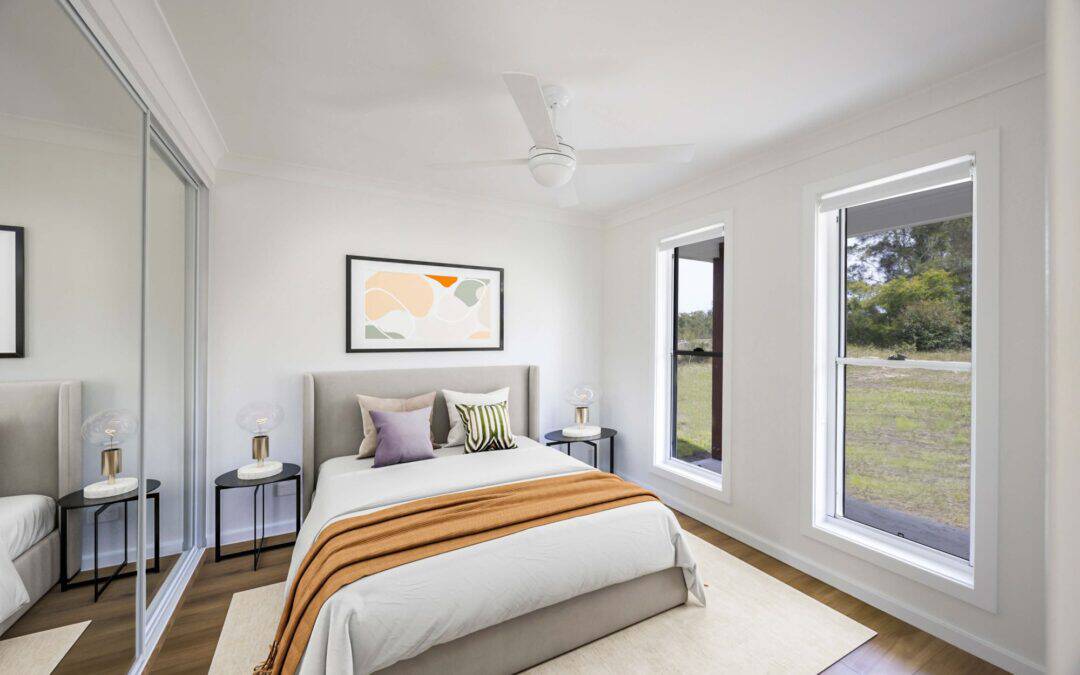
Why the 2026 Budget Changes Are Actually Great News for NSW Granny Flat Builders
Last night’s Federal Budget dropped a bombshell on Australian property investors. Changes to negative gearing and capital gains tax will reshape the investment landscape from 1 July 2027. The headlines are full of warnings, property investor forums are buzzing, and plenty of landlords are feeling uncertain.
But if you’re a NSW homeowner thinking about building a granny flat on your existing property? The picture looks very different — and quite a bit brighter than you might expect.
Here’s why.
First, What Actually Changed?
The Albanese government announced two major property tax reforms in the 2026-27 Budget:
Negative gearing changes (from 1 July 2027): Losses on new residential investment properties can only be deducted against other property income — not against your wage or salary. Properties already owned before Budget night (12 May 2026) are grandfathered and unaffected.
Capital gains tax changes (from 1 July 2027): The existing 50% CGT discount is replaced with CPI indexation of the cost base plus a 30% minimum tax on real gains. In plain English: you’ll only be taxed on the portion of your gain that genuinely exceeded inflation.
These changes matter — a lot — for investors who rely on negative gearing to make their numbers work. But granny flat owners? They typically don’t rely on negative gearing at all. And that’s exactly the point.
Granny Flats Are Built to Be Cash-Positive
The entire investment case for a granny flat rests on positive cash flow, not tax losses.
In NSW, a well-built granny flat commands $450 to $700 per week in rent depending on location, size, and finish. That’s $23,000 to $36,000 per year in additional household income. The total cost to build — including DA or CDC approval, site preparation, and construction — typically ranges from $195,000 to $295,000 for a quality two-bedroom dwelling.
Run the numbers and most granny flats reach positive gearing within the first year or two. The rent exceeds the loan repayments, maintenance costs, and any associated expenses. There’s no need to claim a loss against your wages because — unlike a typical investment property purchase — you’re not running at a loss.
Negative gearing has always been irrelevant to the granny flat investment model. The Budget changes don’t take away something granny flat owners were ever counting on.
Your Existing Land Is the Biggest Advantage You Have
One of the quieter reasons the Budget changes actually favour granny flat builders is what you don’t have to do.
Buying a new investment property in 2026 means stamp duty, a new mortgage, legal fees, and a lengthy settlement process — all before you’ve collected a single dollar in rent. And from 1 July 2027, if that new property runs at a loss, you can only offset it against other property income, not your salary.
When you build a granny flat on your existing land, none of that applies. You’re using an asset you already own. There’s no stamp duty. No new mortgage required (many owners finance the build through equity or construction loans secured against the existing property). And you’re adding a separate income-producing dwelling to land you already hold.
The tax changes don’t touch any of this. Your existing property is grandfathered. The construction of the granny flat itself increases the cost base of your property, which directly benefits you under the new CGT rules.
How the New CGT Rules Actually Favour Long-Term NSW Owners
Under the new capital gains tax arrangements, gains are indexed to CPI. This means you’re only taxed on your real gain — the amount your property genuinely increased in value above inflation.
For a NSW homeowner who adds a quality granny flat to their property, this works in your favour in two ways:
First, the construction cost increases your cost base. The money you spend building the granny flat is added to the cost base of your property. If you spend $220,000 building a granny flat, that $220,000 reduces the taxable capital gain when you eventually sell.
Second, the property is likely worth more than you spent. A quality granny flat in a well-located Sydney suburb or coastal NSW town typically adds more value to a property than it costs to build. Research by CoreLogic has found that adding a granny flat can increase a property’s value by 20 to 30% — meaning the equity uplift often substantially exceeds the cost of construction. A $220,000 build that adds $300,000 or more to a well-located property’s market value is a strong equity play. Under the new CPI indexation rules, only the real gain above inflation is taxed, making genuine value-adding improvements like this even more attractive.
The Budget’s changes to CGT actually reward genuine capital investment. Adding a dwelling that increases housing supply and generates real value is precisely what the government is trying to encourage.
NSW Rental Demand Has Never Been Higher
The policy context behind these Budget changes matters for granny flat owners. The government explicitly designed these reforms to encourage new housing supply and reduce investor speculation in established properties. Their own modelling projects that the changes will support 75,000 additional homeowners over the next decade.
Meanwhile, the rental vacancy rate across Greater Sydney and regional NSW remains at historic lows. The shortage of affordable rental accommodation — particularly separate, private dwellings — continues to push rents higher. A granny flat on a well-located block is not a speculative bet. It’s a direct response to a documented shortage.
Tenants actively seek out quality granny flats because they offer privacy, their own outdoor space, and typically lower rents than a full standalone house. The demand is there. The market is not going away.
What This Means If You’re Considering Building Now
If you own your NSW property already: You are fully grandfathered from the negative gearing changes. Your property’s tax treatment is locked in under the current rules. Building a granny flat on your land takes advantage of the equity and site you already hold, generates immediate rental income, and increases your cost base for CGT purposes — all without triggering any of the Budget’s new restrictions.
If you’re planning to buy a NSW property to build on: The tax treatment of properties purchased after Budget night will depend on your individual circumstances and timing — speak to your accountant about what applies to you. What remains true regardless: granny flats are typically positively geared from the outset, which means the negative gearing changes are far less relevant to a granny flat strategy than to a conventional investment property purchase.
In either case: The fundamentals that make granny flats attractive have not changed. Strong NSW rental income, low vacancy rates, capital value uplift, and the ability to add a dwelling to land you already own remain as compelling as they’ve ever been.
The Bottom Line
The 2026 Budget is bad news for property investors who rely on paper losses to reduce their tax bill. It is not bad news for NSW homeowners who want to build a granny flat, generate genuine rental income, and increase the value of the property they already live on.
Granny flats were always a different kind of investment — one built on real cash returns, not tax-minimisation strategies. In the new tax environment, that approach looks smarter than ever.
If you’d like to understand exactly what a granny flat could mean for your property — in terms of rental income, construction cost, approval pathway, and long-term capital value — speak to the team at A Plus Granny Flats. We’ve been building quality secondary dwellings across NSW for years, and we know how to make the numbers work for your specific site and situation.
Get a free assessment of your property →
Or browse the full two-bedroom granny flat design range to find the right fit for your property.
This article is general in nature and does not constitute financial or tax advice. We recommend speaking with a qualified accountant or financial adviser about your individual circumstances before making any investment decisions.